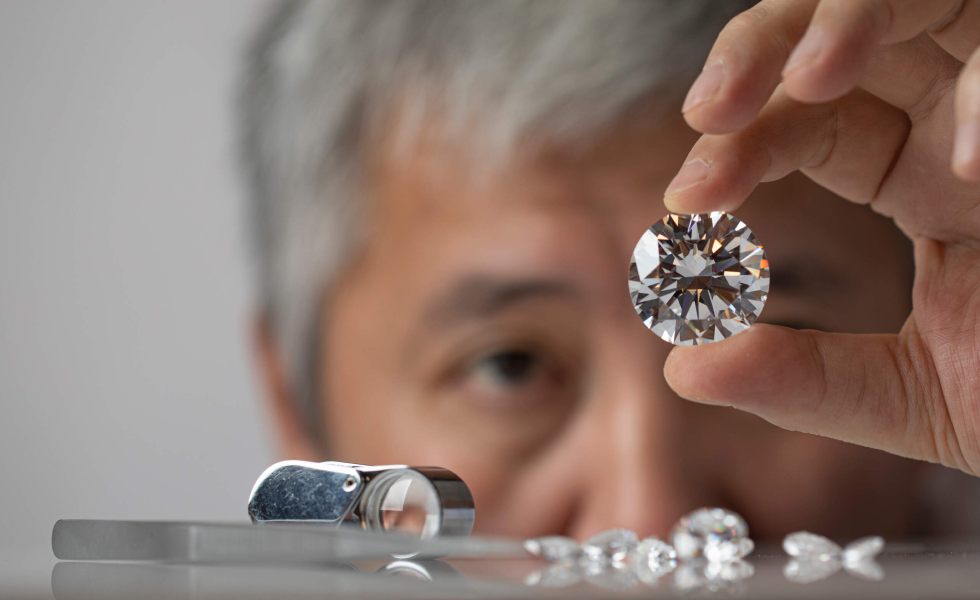
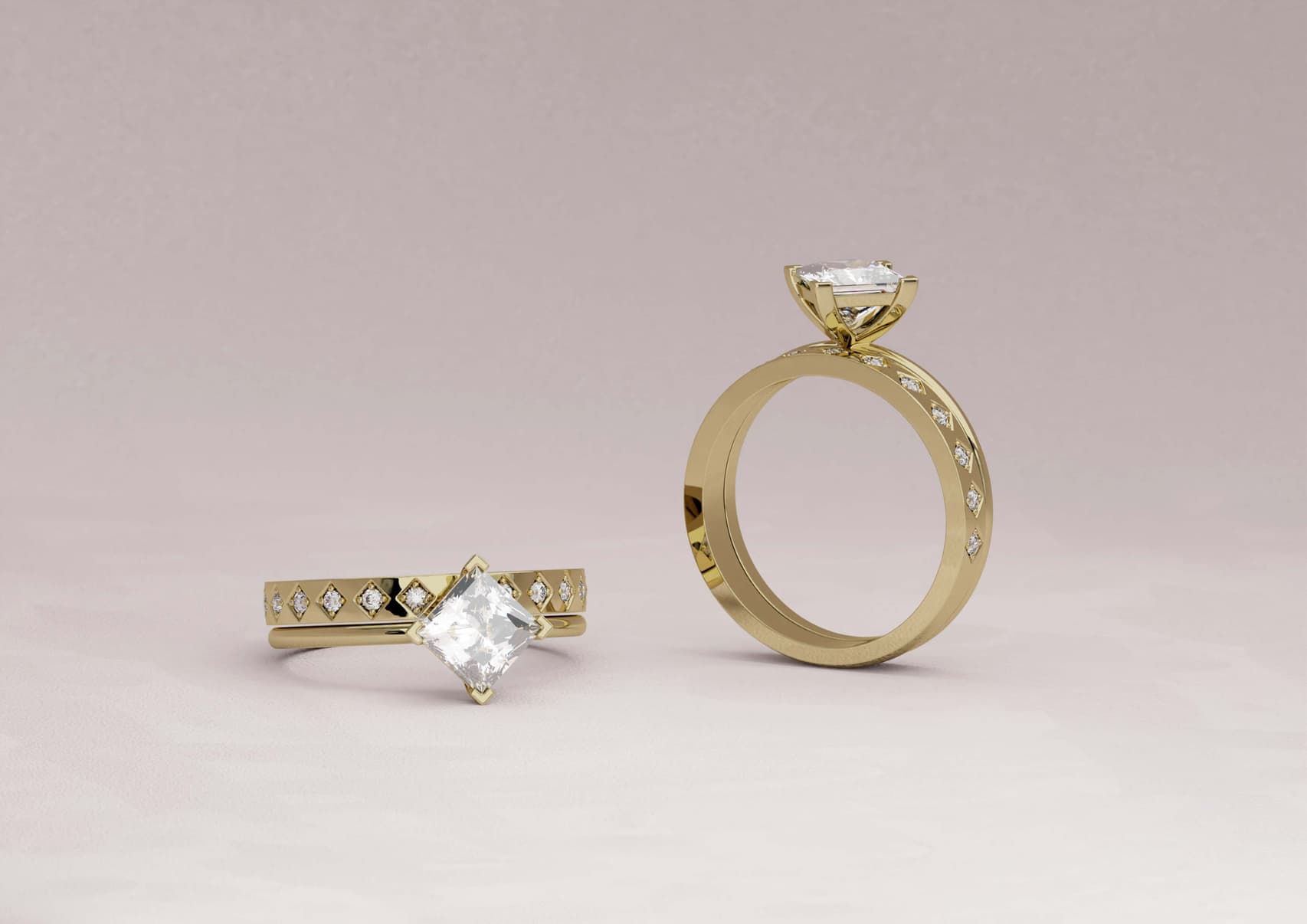
Diamonds have long been considered symbols of luxury, love, and commitment. However, behind the sparkle of some diamonds lies a dark and troubling reality. If you’ve ever wondered what is a blood diamond, or how it compares to ethical alternatives like lab diamonds, you’re not alone. In recent years, consumers have become increasingly conscious of where their diamonds come from—and for good reason.
This article dives into the origins, controversies, and key differences between blood diamonds and lab diamonds, helping you make a more informed and ethical choice.
Table of Contents
What is a Blood Diamond?
The phrase what is a blood diamond refers to diamonds that are mined in war zones and sold to finance armed conflict against governments. These diamonds are also known as conflict diamonds, and they have played a major role in fueling civil wars, particularly in parts of Africa such as Sierra Leone, Angola, and the Democratic Republic of Congo.
Blood diamonds are often mined under brutal conditions, where workers—sometimes including children—are forced into labor. The profits from these diamonds have historically been used to purchase weapons and fund rebel activities, leading to devastating consequences for local populations.
So, when someone asks what is a blood diamond, it’s not just about unethical sourcing; it’s about human suffering, war, and exploitation. Despite global efforts to stop the trade, blood diamonds still occasionally find their way into the market.
The Rise of Ethical Alternatives: Lab Diamonds
As awareness about what is a blood diamond grew, so did the demand for ethical, conflict-free alternatives. That’s where lab diamonds come in. These diamonds are grown in highly controlled laboratory environments using advanced technological processes that replicate the conditions under which natural diamonds form in the Earth’s mantle.
Lab diamonds are physically, chemically, and optically identical to mined diamonds. The only difference is their origin. Because they are made in labs rather than mined from the earth, they do not contribute to environmental degradation or human rights abuses.
Many consumers today are turning to lab diamonds as a way to enjoy the brilliance and beauty of a diamond without the ethical baggage.
How Are Blood Diamonds and Lab Diamonds Different?
Let’s break down the core differences between blood diamonds and lab diamonds:
| Feature | Blood Diamonds | Lab Diamonds |
|---|---|---|
| Source | Mined from conflict zones | Created in laboratories |
| Ethics | Often fund wars and involve forced labor | Conflict-free and ethically produced |
| Environmental Impact | High (deforestation, water pollution) | Low (minimal ecological footprint) |
| Price | Varies but often inflated | Generally 20-40% less expensive |
| Quality | Natural imperfections | High purity and quality control |
These differences highlight why many people are switching to lab diamonds for their engagement rings, earrings, and other fine jewelry.
Are All Mined Diamonds Blood Diamonds?
One common misconception is that all mined diamonds are blood diamonds. While this is not entirely true, the concern is valid. The Kimberley Process Certification Scheme (KPCS) was established in 2003 to prevent the flow of conflict diamonds. However, critics argue that it is flawed and does not fully ensure transparency or traceability.
So, even if a diamond is labeled “conflict-free,” it might still have passed through unethical hands. This ambiguity leads many to ask again, what is a blood diamond, and how can we be sure we’re avoiding them?
That’s another reason lab diamonds have surged in popularity—they offer clarity and peace of mind.
The Environmental Impact of Lab Diamonds
Mining diamonds from the earth involves blasting, drilling, and excavation, which can lead to:
-
Soil erosion
-
Habitat destruction
-
Water pollution
-
Greenhouse gas emissions
By contrast, lab diamonds are created with far less environmental disruption. They require significantly less water and energy, especially when renewable sources are used.
For eco-conscious buyers, this is a compelling reason to choose lab diamonds over mined alternatives. You get the same sparkle, without the scars left on the planet.
Why Lab Diamonds Are a Smart Choice for Modern Consumers
Choosing between a traditional diamond and a lab-created one isn’t just a matter of price—it’s about values. Consumers today are more informed, more socially aware, and more focused on sustainability. If you’ve ever questioned what is a blood diamond, you’re likely someone who also values transparency and ethics in your purchases.
Here’s why lab diamonds are gaining favor among millennials and Gen Z:
-
Transparency: You know exactly where the diamond came from.
-
Value for Money: Larger, higher-quality diamonds at a lower price.
-
Ethical Assurance: Zero connection to conflict or forced labor.
-
Sustainability: Smaller carbon footprint and lower environmental harm.
For those who care about both beauty and integrity, lab diamonds are the future of fine jewelry.
The Role of Awareness and Education
The best way to combat the blood diamond trade is through awareness. When more people ask questions like what is a blood diamond, they begin to understand the global impact of their buying decisions. Education leads to empowerment—and empowered consumers drive change.
Organizations and jewelers committed to ethical sourcing are now more vocal than ever. Many of them exclusively offer lab diamonds, helping to push the industry toward a cleaner, more responsible future.
Final Thoughts: Sparkle with a Clear Conscience
Understanding what is a blood diamond is crucial in today’s jewelry market. With this knowledge, consumers can make ethical, sustainable choices that reflect their values. The rise of lab diamonds gives people the opportunity to enjoy the beauty of diamonds without the guilt or the guesswork.
By choosing lab diamonds, you’re not just making a fashion statement—you’re standing up for human rights, protecting the environment, and encouraging positive change in the industry.
So next time you’re shopping for a diamond, ask the important questions. Know where it comes from. And remember: true brilliance shines brightest when it’s backed by compassion and consciousness.
FAQs
Q: What is a blood diamond and why is it controversial?
A: A blood diamond is mined in a war zone and sold to fund armed conflict. The controversy lies in its ties to violence, child labor, and exploitation.
Q: Are lab diamonds real diamonds?
A: Yes, lab diamonds are real diamonds with the same physical and chemical properties as mined ones.
Q: Can you tell the difference between a lab diamond and a mined diamond?
A: No, not without specialized equipment. Even jewelers often can’t tell without testing tools.
Q: Are lab diamonds more affordable?
A: Yes, lab diamonds typically cost 20–40% less than mined diamonds of comparable quality.
Q: Is there any downside to lab diamonds?
A: While some traditionalists prefer natural diamonds for rarity, lab diamonds are virtually identical and more ethical.